Parents often tell me the hardest part of a pediatric dental visit isn’t the cavity or the crown, it’s the worry. Will my child be scared? Will they sit still long enough for a careful, painless procedure? Sedation dentistry exists to bridge that gap. It can make a complicated appointment feel like a calm afternoon and it can help a nervous child build trust with a provider. When used thoughtfully by a certified pediatric dentist in a well-equipped pediatric dental clinic, sedation is both safe and effective. The art lies in choosing the right level for the child, the treatment, and the family’s comfort.
Why sedation is considered for children
The reasons differ, but the pattern is consistent. A toddler with early childhood caries might need multiple pediatric fillings. A child with autism who thrives on routine could struggle in a bright, noisy pediatric dental office. A teenager with dental trauma might face a long pediatric dental surgery for a fractured tooth. In each case, the goal of a kids dentist is steady: deliver excellent pediatric dental care with minimal stress, no pain, and lasting trust.
Behavior guidance techniques always come first. Pediatric dentists are trained in tell-show-do, desensitization, and positive reinforcement. Many rooms are designed with soft lighting, weighted blankets, and quiet music. Sometimes, these strategies and a gentle pediatric dentist are enough. When they are not, we move to sedation.
The spectrum of pediatric sedation
Sedation exists on a continuum. In pediatric dentistry, we match the level of sedation to the complexity of the pediatric dental treatment and the child’s developmental stage, medical history, and temperament. The four common categories are minimal sedation, moderate sedation, deep sedation, and general anesthesia. Each has clear indications, medications commonly used, and safety protocols. The choice is deliberate, not one-size-fits-all.
Minimal sedation, sometimes called anxiolysis, reduces anxiety without impairing protective reflexes. Children remain awake, responsive, and able to follow simple directions. For pediatric dental checkups that might include pediatric dental x rays in a child who gags easily, or for an older child who just needs a calming edge, minimal sedation can make the experience comfortable. Nitrous oxide is the classic tool here. It’s titratable, quick to start, quick to stop, and when combined with local anesthetic it can make pediatric cavity treatment and pediatric sealants smooth. In experienced hands, it is safe and reversible within minutes. Parents like that children leave the pediatric dental appointment alert enough to return to normal activities.

Moderate sedation, sometimes termed conscious sedation, helps children who need more than a little reassurance but do not require 949pediatricdentistry.com pediatric dentist New York deep sedation. They may nap lightly, respond to verbal prompts, and maintain their own breathing. This level can be ideal for multiple pediatric tooth fillings, pediatric crowns, or a lengthy pediatric dental cleaning for a child who has strong anxiety. Oral medications like midazolam or a combination regimen might be used, sometimes layered with nitrous oxide. Dosing is based on weight and strict pre-sedation fasting. A certified pediatric dentist monitors vital signs continuously, including oxygen saturation and heart rate, and has emergency equipment at arm’s reach. Recovery happens on site, with a trained team and a written discharge plan.
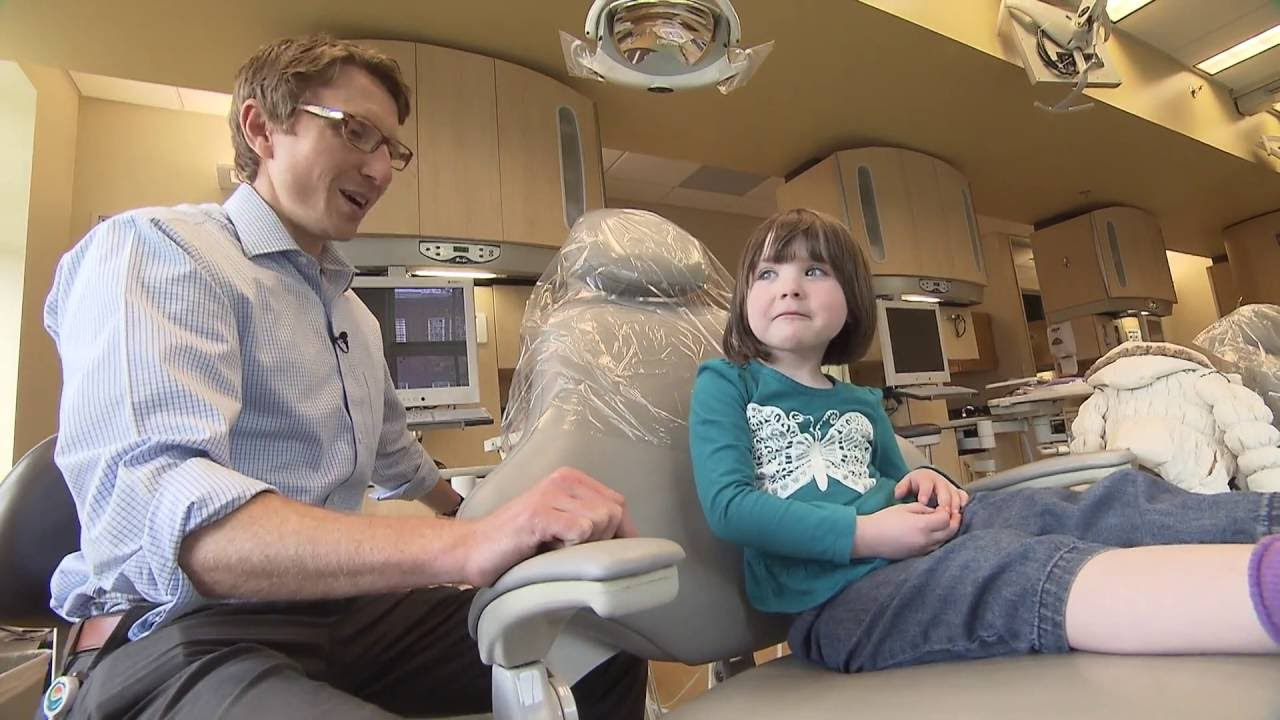
Deep sedation feels like drifting close to sleep. Children are not easily aroused, may need help keeping the airway open, and require more intensive monitoring. When a pediatric dental specialist plans extensive pediatric dental treatment for a young child, or when past attempts at lighter sedation have failed, deep sedation can allow a full, safe, efficient visit. In many pediatric dental practices, deep sedation is provided by a dental anesthesiologist or a physician anesthesiologist who works closely with the kids dentist. Medication routes can be intravenous or inhalational. The safety net includes continuous capnography to track breathing, IV access, and a well-rehearsed emergency plan.
General anesthesia is a fully asleep state with complete lack of awareness and control of pain. For some children, it is the most humane choice. When a pediatric dentist for toddlers needs to restore multiple teeth in a mouth with rampant decay, or when a child with special health care needs cannot safely tolerate care awake, completing treatment under general anesthesia can reduce the total number of visits and prevent traumatic memories. General anesthesia is delivered by an anesthesia professional, often in a hospital or accredited surgical center, or in a pediatric dental office that meets strict facility standards. This level requires a thorough pre-operative evaluation, fasting protocols, and post-operative recovery monitoring until the child is awake and stable.
Safety standards that matter
Parents should know exactly which guardrails are in place. Sedation in pediatric dentistry has matured around evidence-based guidelines from professional bodies, including recommendations on training, equipment, and staffing. A board certified pediatric dentist and their team should maintain current certifications in pediatric advanced life support and follow a written sedation policy that covers patient selection, fasting times, medication dosing, monitoring, record-keeping, and emergency drills.
Monitoring changes with depth of sedation. For nitrous oxide minimal sedation during a pediatric dental exam, visual observation and pulse oximetry may suffice. Moderate sedation adds blood pressure and often capnography. Deep sedation and general anesthesia require continuous capnography, electrocardiography, temperature monitoring when indicated, and a dedicated professional tracking the child’s airway and vital signs throughout. Equipment must include oxygen delivery, suction, bag-mask ventilation, airway adjuncts, defibrillator access, and weight-appropriate emergency medications.
Pre-sedation screening is non-negotiable. A complete medical history, medication list, allergies, prior anesthesia experiences, sleep habits, and any respiratory issues like asthma guide decisions. The American Society of Anesthesiologists (ASA) physical status classification helps risk-stratify. Most healthy children fall into ASA I or II. Children with complex medical needs can often still receive sedation, but the location and anesthesia team are tailored to them.
Fasting protocols help prevent aspiration. Typical guidance for elective procedures: no solid foods for 6 to 8 hours, breast milk until 4 hours before, and clear liquids until 2 hours prior. For nitrous oxide only, many pediatric dental offices still use a light fasting window to improve comfort and reduce nausea, though strict fasting is usually not required. A written plan avoids misunderstandings.
Dose precision matters. Sedation medications are dosed by weight, and dosing windows are narrow for safety. Titration is deliberate and incremental. There is no guesswork.
Recovery is monitored. After a pediatric dental visit under sedation, discharge happens when a child is awake, protective reflexes are back, pain is controlled, and vital signs are stable. Parents receive written instructions, a reachable phone number for an pediatric emergency dentist, and clear red flags to watch for at home.

Matching the sedation to the procedure
The treatment itself shapes the plan. Pediatric dental sealants and pediatric fluoride treatment rarely demand more than nitrous oxide. A single pediatric tooth filling for a cooperative 8-year-old might not require sedation at all, especially with topical anesthetic and painless local anesthesia techniques. A pediatric dental crown on a molar in a fidgety 4-year-old often benefits from moderate sedation to keep the field dry and the experience positive. Pediatric tooth extraction, especially if the tooth is infected or impacted, can be performed under moderate or deep sedation depending on the child.
For pediatric dental emergencies like an avulsed tooth, cracked enamel, or acute pediatric tooth pain, a calm, rapid assessment matters more than immediately choosing a high level of sedation. Sometimes a numbing gel, local anesthetic, and a reassuring presence suffice. If swelling, infection, or trauma complicate the visit, the pediatric oral care team may coordinate with an oral surgeon or hospital-based team to proceed under deep sedation or general anesthesia for safety.
What parents can expect before, during, and after
From the first pediatric dentist consultation, I emphasize the partnership. We cover the child’s story, not just teeth. What time of day does your child function best? How do they handle medicines? What sensory triggers bother them? A visit with a child friendly dentist at the right hour of the morning can matter as much as the prescription.
Before the appointment, families receive simple fasting guidance and a walkthrough of the day-of flow. Comfortable clothes help, and a favorite stuffed animal or blanket can offer familiar comfort. If using oral sedation, we verify when the last food or drink occurred. If using nitrous oxide during a pediatric dental cleaning or pediatric dental x rays, a light breakfast a few hours earlier generally works fine in many offices.
During the visit, we narrate the plan without oversharing. Children do well with phrasing that sets expectations: first we’ll count your teeth, then we’ll give them sleepy juice and do the sugar bug fix. With nitrous oxide, we pick a flavor, adjust the mask, and let the child breathe normally as the calm increases. With moderate sedation, we may deliver medication as a syrup measured to the milliliter and confirm that parents understand its effects. With deep sedation or general anesthesia, a separate anesthesia provider manages airway and breathing, while the pediatric dental specialist focuses on treatment, whether that is pediatric fillings, pediatric dental crowns, or a pediatric tooth extraction.
Afterward, we keep recovery unrushed. Some children leave sleepy, some chatty. Mild nausea can happen, especially with opioids or higher levels of sedation, and we plan for it. The post-visit meal should be simple, think soft foods and clear liquids at first. Parents receive advice on pain management, bleeding control if an extraction occurred, and tips to protect new restorations. A follow-up pediatric dental appointment checks healing and reinforces at-home pediatric preventive dentistry.
Special considerations for infants, toddlers, and adolescents
Age alters the approach. A pediatric dentist for infants focuses heavily on prevention, positioning, and parent coaching, with rare need for anything beyond behavior guidance and possibly nitrous oxide during a brief pediatric dental exam. Infants are not candidates for most oral sedatives in an office setting unless a hospital-based team is involved. When more extensive work is needed due to early decay or congenital issues, hospital general anesthesia may be the safest route.
Toddlers and preschoolers are the most frequent candidates for minimal or moderate sedation for restorative work. Their attention spans are short, their reactions can be unpredictable, and yet they respond beautifully to patient coaching, simple language, and a steady routine. A kids dental specialist will often plan comprehensive care in one visit under moderate sedation when feasible, rather than multiple short visits that might heighten anxiety.
Adolescents bring different challenges. Heightened fear, previous negative experiences, or orthodontic-related needs can make nitrous oxide an elegant solution. For teens, clear conversation about consent and control is crucial. Many prefer knowing they can raise a hand and that the dentist for kids will pause. For longer procedures, IV moderate sedation with an anesthesia provider might be appropriate in a pediatric dental office that offers it. Athletes and performers appreciate knowing exactly when they can return to practice; nitrous oxide allows a quicker return than deeper options.
Children with special needs
Families ask whether sedation is safe for children with autism, sensory processing differences, or complex medical conditions. The answer is yes, with planning. A special needs pediatric dentist maps the visit to the child’s regulation pattern. That might include a quiet room, picture-based schedules, a desensitization visit where we practice the mask or mirror ahead of time, and a longer buffer for transitions. Some children tolerate nitrous oxide beautifully once introduced through play. Others benefit from a single, efficient, hospital-based general anesthesia session to complete all necessary pediatric dental services without distress.
For children with cardiac conditions, seizure disorders, or airway anomalies, collaboration is essential. The pediatric dentist coordinates with pediatricians, cardiologists, or pulmonologists, and sometimes an anesthesiologist assesses the child in advance. Medication interactions are double-checked. The site of care shifts to where resources are appropriate. The goal remains the same: safe, compassionate pediatric dental treatment that respects the child’s health profile.
Medications commonly used, without the jargon
Parents don’t need a pharmacology lecture, but familiarity helps. Nitrous oxide mixes with oxygen and is inhaled through a small mask. It works within minutes and wears off quickly once the mask is removed. With oral moderate sedation, midazolam is common because it reduces anxiety and has amnestic properties, which means children usually remember little of the procedure. Its sweetened liquid form is more palatable than older options, and its safety profile is well studied in pediatric dental care. For deeper levels, medications may be given through an IV, titrated precisely by an anesthesia professional while the dentist works. Local anesthetics are still used to numb the teeth and gums even during sedation. That combination allows lighter sedation overall.
Balancing risks and benefits
No intervention is risk free. With minimal sedation, the most frequent side effects are mild nausea or a lingering headache that fades with rest and hydration. With oral moderate sedation, paradoxical reactions can occur, where a child becomes irritable or disinhibited rather than calm. The incidence is low, but an experienced pediatric dentist recognizes it quickly and adjusts. With deeper levels, airway obstruction becomes a concern, which is why trained personnel, appropriate positioning, and real-time monitoring exist. The statistical risk of severe complications in qualified hands is very low, but the preparation is always high.
Benefits include excellent quality of care, reduced number of visits, prevention of traumatic memories, and better long-term cooperation. A negative early experience can echo through adolescence. Conversely, a smooth pediatric dental visit with a kid friendly dentist sets a child on a healthier oral health path. Preventive care gets easier when fear recedes.
Cost, insurance, and practical planning
The financial side varies by level and setting. Nitrous oxide is often a modest add-on fee and sometimes covered for procedures like pediatric cavity treatment. Oral moderate sedation involves medication, monitoring time, and staff costs. Deep sedation or general anesthesia adds an anesthesia provider’s fee and possibly a facility fee if performed in a hospital or surgery center. Dental and medical insurance may share coverage, especially for children with documented medical or behavioral indications. A transparent estimate from your pediatric dental practice helps avoid surprises. Ask how many visits are anticipated, what portion insurance covers, and whether there are alternatives for the same clinical goals.
Scheduling matters. The best pediatric dentists cluster restorative care when possible, under the lightest effective sedation, to reduce missed school and caregiver time off. Morning appointments often go smoother, especially when fasting is required. Have transportation arranged and plan a quiet day after.
Choosing the right pediatric dentist for sedation
Look for a pediatric dental specialist who welcomes questions. Credentials matter, but so does the office culture. Is the pediatric dental office configured with child-sized equipment, calm spaces, and private recovery areas? Does the team review a written plan with you? Will the same dentist see your child for follow-up? A board certified pediatric dentist who is experienced with sedation will be clear about when they recommend it and when they don’t.
Many families start by searching phrases like pediatric dentist near me or children dentist near me. When you call, ask whether the practice offers nitrous oxide, oral sedation, and access to anesthesia services. Ask how many sedations they complete monthly, how they monitor, and how they prepare parents. A gentle pediatric dentist should be willing to schedule a no-pressure pediatric dentist consultation so you can see the space and meet the team before committing.
Real-world scenarios and what worked
A three-year-old with extensive decay needed four pediatric dental crowns and two pediatric tooth fillings. She was spirited, healthy, and anxious around masks. We scheduled one visit for comprehensive care under moderate sedation. Her parents practiced breathing through a toy mask at home so the office mask felt familiar. The visit took just over an hour. She napped in recovery, then went home for a movie and soft foods. At her six-month pediatric dental checkup, she walked in smiling.
A 9-year-old with sensory sensitivities gagged during x rays and struggled with the sound of the suction. We began with desensitization: two short visits without instruments, then a visit using nitrous oxide for pediatric teeth cleaning only. We swapped to a quieter suction tip and used noise-canceling headphones. When it came time for a pediatric tooth filling, he chose the same routine and completed it in 30 minutes. No oral sedation was needed.
A teenager fractured a front tooth in sports. The emergency pediatric dentist handled pain control first with local anesthetic and a temporary restoration. Two days later, we provided definitive bonding and a custom mouthguard under minimal sedation with nitrous oxide. He returned to practice that evening, with instructions to avoid heavy exertion for the day and to wear the guard religiously.
How sedation supports prevention
Sedation shouldn’t replace prevention. Its greatest value may be that it enables preventive habits to take root. When children associate the pediatric dental clinic with a calm, manageable experience, they are more willing to return for regular pediatric dental cleaning and fluoride, and to learn better brushing and flossing. With a child dental specialist reinforcing technique, parents often report fewer nightly battles over toothbrush time. That, in turn, reduces the need for future pediatric dental surgery or emergency visits.
At home, keep routines simple and consistent. Twice-daily brushing with a fluoride toothpaste, flossing where teeth touch, and limiting frequent snacking protect enamel. A pediatric dentist early childhood visit by the first tooth or first birthday helps spot risks early. If your child is prone to cavities, pediatric dental sealants and professional fluoride add a protective layer. Sedation becomes a tool for the few times when restorative or surgical care is necessary, not a recurring crutch.
Questions worth asking at your next pediatric dental visit
- Which sedation options are appropriate for my child and why this level over another? How will you monitor my child during the procedure, and who is dedicated to monitoring? What are the specific fasting and medication instructions for the day of the pediatric dental appointment? What side effects should I expect afterward, and what number do I call if I’m worried? Are there alternative approaches, such as staged treatment or behavior guidance alone, that could meet our goals?
A measured approach earns trust
Sedation dentistry for kids is not about making children unconscious at the first hint of worry. It is about meeting children where they are and matching care to their needs. When guided by a certified pediatric dentist in a setting prepared for every stage of sedation, it can transform a fearful child into a confident patient. From the first pediatric dentist first tooth visit to the last adolescent checkup before college, the combination of prevention, skillful behavior guidance, and judicious sedation builds a foundation for lifelong oral health.
If your family is considering sedation, start with a conversation. Share your child’s story. Ask to see the monitoring equipment. Request a walkthrough of the plan. A family pediatric dentist who embraces transparency will welcome the discussion. With the right plan, pediatric sedation dentistry can keep your child safe, comfortable, and on track for healthy smiles.